
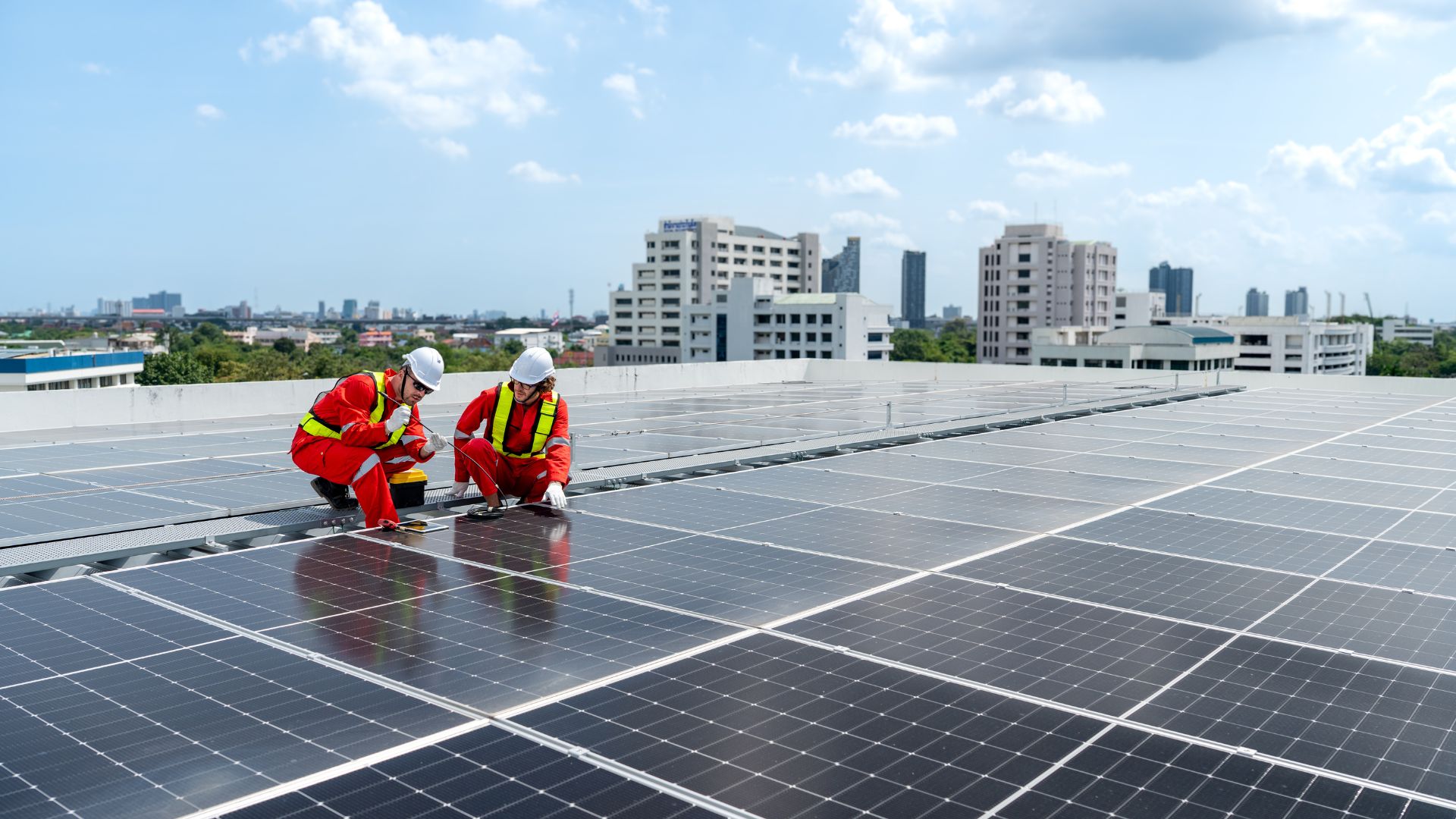







Singapore’s Energy Market Authority launched an Energy Storage Systems Vision and Industry Consultation Paper on October 26, 2026, at the opening of Singapore International Energy Week, seeking to raise the country’s storage capacity from about 350 MWh to around 1 GWh by 2030. The consultation, open until January 29, 2027, asks industry to propose commercially deployable technologies, business models and projects as Singapore prepares for faster electricity demand growth and a rising share of solar.
Key Facts At A Glance
- EMA released the Energy Storage Systems Vision and Industry Consultation Paper on October 26, 2026.
- Singapore aims to increase storage capacity from about 350 MWh today to around 1 GWh by 2030.
- Existing assets include a 326 MWh battery system on Jurong Island and an estimated 18 MWh of distributed residential, commercial and industrial batteries.
- Submissions and expressions of interest are due January 29, 2027.
- EMA is seeking interest in forming an industry-led Energy Storage Workgroup.
- EMA plans graduated requirements allowing larger storage assets to be observed or centrally controlled based on size and system role.
- Peak electricity demand was 8.6 GW in August 2026 and could reach up to 13 GW by 2031.
The Energy Market Authority (EMA) of Singapore has opened a public industry consultation on how to scale energy storage across the city-state’s power system, setting a goal of roughly tripling installed capacity from about 350 MWh to around 1 GWh by 2030. The Energy Storage Systems Vision and Industry Consultation Paper was published on October 26, 2026, the same day EMA released its five-year Energy Infrastructure Plan, which describes the storage goal as “just over 1 GWh.”
The paper invites industry stakeholders and academia to propose storage technologies, business models and project structures that can be commercially deployed at scale. Submissions, along with expressions of interest in a proposed industry-led Energy Storage Workgroup, are due by January 29, 2027. EMA said the workgroup is intended to share experiences, develop practical solutions and address common barriers to deployment.
Current Storage Base
According to the consultation paper, Singapore’s existing storage includes a 326 MWh battery energy storage system on Jurong Island, which was recently expanded from 285 MWh using vertical battery stacking. An estimated 18 MWh of residential, commercial and industrial battery systems is also installed across distributed sites. EMA stated it is open to technologies suited to the country’s land constraints.
Roles And Regulatory Changes
The paper identifies three primary operational roles for new storage: fast-response frequency and stability support to counter fluctuations in solar output, peak shaving in network-constrained areas including locations with heavy electric vehicle charging, and aggregation through virtual power plants. EMA’s existing virtual power plant pilots are already testing how distributed batteries and other resources can supply energy and ancillary services through coordination.
EMA said it will work with industry and relevant agencies to improve access to energy market information, review existing market rules, and enable a single storage resource to provide multiple compatible services. The authority will also develop graduated requirements for storage systems to be observable or controllable, ranging from basic registration for smaller units to central control by the grid operator for larger assets, depending on their size and system significance.
Demand Context
The consultation forms part of EMA’s broader response to projected demand growth. Singapore’s peak electricity demand stood at 8.6 GW in August 2026 and could reach between 9.9 GW and 13 GW by 2031, driven mainly by semiconductor manufacturing, data centres and electric transport. The same infrastructure plan provides for five new gas-fired power plants between 2026 and 2031.
EMA Chief Executive Puah Kok Keong said the authority aims to partner with companies to turn promising concepts into commercially viable storage projects that can be deployed at scale. “Singapore’s need for flexibility in the power system is growing,” Puah said.
EMA stated it will use the consultation submissions, together with ongoing pilots, to shape its next steps on storage deployment. Specific procurement mechanisms, tender timelines or funding arrangements for the 1 GWh goal have not been publicly detailed.